Exploring the intricate psychology behind gambling behaviors
Exploring the intricate psychology behind gambling behaviors
The Allure of Gambling: Why Do People Engage?
The thrill of gambling can be traced back to its psychological allure. For many, the excitement comes from the unpredictability of outcomes, where hope and risk intermingle. The rush of placing a bet can trigger the release of dopamine, a neurotransmitter associated with pleasure, making it even more enticing. You might find yourself captivated by the game, such as the aviator crash game, which offers an exhilarating experience that many are eager to explore.
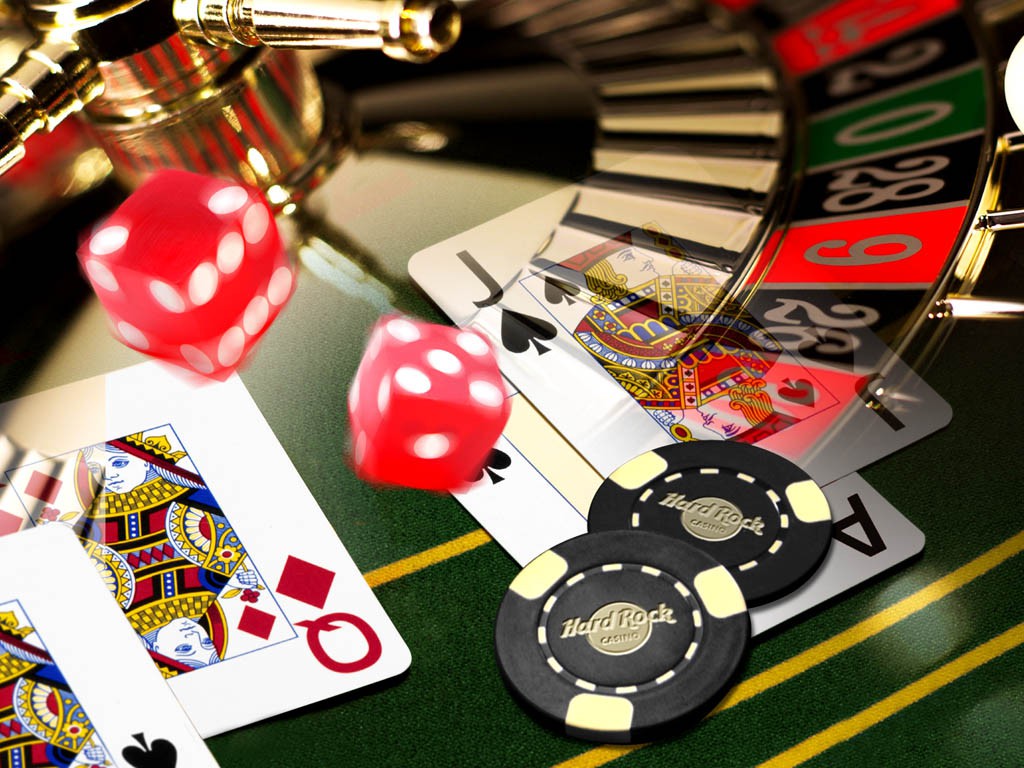
Moreover, the social aspect of gambling plays a significant role in its appeal. Many people enjoy the camaraderie that develops in gambling environments, whether it’s a casino or a casual home game. This social interaction can enhance the enjoyment of the activity, further solidifying its place in popular culture.
Cognitive Biases in Gambling
Cognitive biases significantly influence gambling behaviors, shaping how individuals perceive chance and risk. One of the most common biases is the illusion of control, where players believe they can influence the outcome of games that are purely chance-based. This belief often leads to risky betting behaviors, as individuals think they have a better chance of winning than they actually do.
Additionally, gamblers frequently fall prey to the gambler’s fallacy, where they believe that past results affect future outcomes. This misconception can lead to poor decision-making, as individuals may chase losses, believing that a win is “due.” Understanding these biases can help individuals recognize unhealthy gambling patterns and make more informed choices.
The Impact of Environment on Gambling Behavior
The environment in which gambling occurs can significantly influence behavior. For instance, casinos are designed to be engaging and exhilarating, using bright lights, sounds, and even scents to create a stimulating atmosphere. This carefully curated environment can lead to impulsive decisions and prolonged gambling sessions, further entrenching players in the cycle of betting.
Online gambling environments are also crafted to appeal to players. Features such as bonuses and rewards can encourage users to gamble more than they initially intended. Understanding how these environmental factors impact gambling behavior can help both players and operators foster healthier gambling practices.
The Role of Emotions in Gambling Decisions
Emotions play a crucial role in gambling behaviors, often dictating decision-making processes. Many gamblers turn to betting as a way to escape negative feelings or enhance positive ones. For some, the thrill of a win can temporarily alleviate stress or anxiety, reinforcing the cycle of gambling as a coping mechanism.
Conversely, losing can evoke strong emotional reactions, leading to impulsive behaviors such as chasing losses. Recognizing the emotional triggers that influence gambling can be essential for maintaining a balanced approach to the activity and ensuring that it remains a form of entertainment rather than a destructive habit.
Discovering Responsible Gaming
Understanding the psychology behind gambling behaviors is vital for promoting responsible gaming. As players navigate their experiences, awareness of cognitive biases, environmental influences, and emotional factors can empower them to make informed choices. Resources for responsible gaming can guide individuals in recognizing their limits and enjoying gambling as a safe pastime.
At our platform, we prioritize user experience and responsible gaming practices. With an intuitive interface and supportive resources, we strive to create a positive gambling environment that caters to both beginners and seasoned players. Join us and explore the excitement of gaming while ensuring a safe and enjoyable experience.